
Honey Brook, PA Groundhog Removal Services
Honey Brook sits in the rolling farm country of western Chester County, where residential lots give way to pasture, hedgerow, and open field — exactly the kind of edge habitat groundhogs look for. Yards that back up to crop ground or wood line give these animals a short, easy path from the field into a maintained lawn, and once they find cover near a shed, barn, or stone wall, they settle in. Most Honey Brook homeowners don’t spot the groundhog first. They spot the mound of fresh soil pushed up beside a foundation, or a hole that wasn’t there the week before. Seitz Wildlife provides humane groundhog removal throughout Honey Brook Borough and Honey Brook Township, handling the problem before a single burrow turns into an established den system.
Our removal work centers on live trapping, which lets us capture the animal safely and relocate it away from the property. Every job starts with a walk of the yard to determine how many groundhogs are active, where the entrances are, and which travel routes they’re using between cover and food. Once the animal is gone, we identify the openings that need to be closed and explain the exclusion work that fits your property. Operating out of nearby Elverson, we’re a short drive from Honey Brook and can get out to assess the situation quickly.
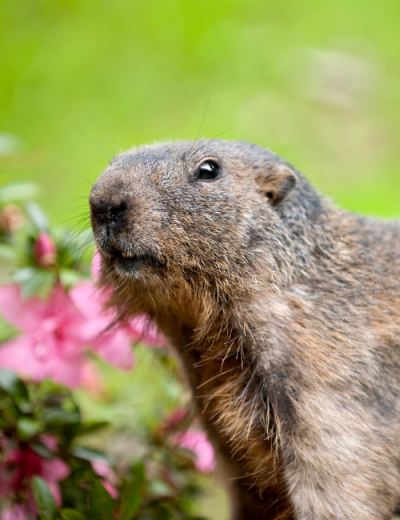
The Dangers of a Groundhog Infestation for Honey Brook Property Owners
A single hole in a Honey Brook yard is almost never the whole story. Groundhogs are powerful diggers, and their tunnel systems routinely run twenty feet or more, with a central chamber and several surface entrances spread across a property. On the older homes common around Honey Brook — farmhouses with stone foundations, bank barns, spring houses, and outbuildings set on shallow footers — that excavation removes the soil those structures depend on. The result shows up as settling, cracked masonry, and low spots that open up along walkways and equipment pads. Properties that slope toward the creeks and drainage swales running through the township are especially prone to erosion once a burrow network is established.
There’s a second concern here that suburban townships don’t share. Honey Brook has a high concentration of horse properties, small livestock operations, and working farm ground, and a groundhog hole in a pasture is a legitimate injury risk — a horse or cow stepping into an unseen entrance can suffer a serious leg injury. Add the feeding damage, and the case for acting early gets stronger: groundhogs graze heavily on vegetable gardens, ornamental plantings, and the edges of alfalfa and corn ground, and they eat aggressively through late summer and fall as they build fat reserves for hibernation. They emerge again in late winter, and a den left open through the season is simply an invitation for the next animal. Fresh dirt piles, chewed plants, or new openings near your home or barn are all worth a call.
Groundhog Control & Exclusion in Honey Brook, PA
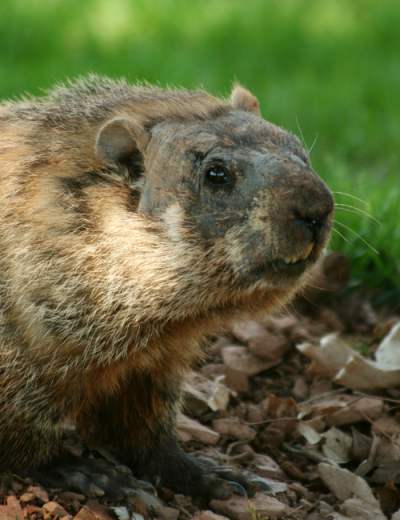
Trapping a groundhog only holds if nothing moves in behind it — and on Honey Brook’s larger, more rural lots, the surrounding farm ground supplies a steady stream of replacements. That makes exclusion the part of the job that actually determines whether the problem stays solved. Seitz Wildlife provides complete groundhog exclusion throughout Honey Brook, including buried wire fencing with an outward footer to stop digging at the fence line, sealing the openings beneath decks, sheds, porches, and barn skirting, and reinforcing the vulnerable gaps around foundations and concrete pads. Every plan is built around the specific layout of the property, because no two yards here have the same mix of access points.
We handle groundhogs ethically at every stage, with no poisons or toxic chemicals that could put pets, livestock, or the surrounding environment at risk. Where digging has already caused damage, we can advise on the repairs needed to restore the affected areas. Groundhogs are territorial about burrow ground, and a vacated den rarely stays empty for long — thorough exclusion work is the difference between a temporary fix and a property that stays clear season after season. Call Seitz Wildlife at (610) 999-2606 to schedule a free phone consultation for your Honey Brook home or farm.
Honey Brook Groundhog Removal FAQs
How do I know if I have a groundhog and not another animal? Groundhog entrances are typically 10–12 inches across with a distinct mound of excavated soil beside the main hole — skunks and rabbits don’t produce that volume of displaced dirt. Groundhogs are also active during daylight, so if you’re seeing a stocky, brown, low-slung animal grazing in the yard mid-morning or in the early evening, it’s almost certainly a groundhog.
When is the best time to remove a groundhog in Honey Brook? Spring through early fall is the active window. Late winter and early spring are ideal for exclusion work, before females give birth and the burrow becomes occupied by young. If you find a den in mid to late spring, tell us — young may be present, and that changes how we handle the removal.
Will the groundhogs come back after removal? Not if the property is properly excluded. An open burrow in western Chester County will be reclaimed, often within the same season, because there’s abundant surrounding habitat. Closing the access points is what makes the removal permanent.
Do you serve the surrounding Honey Brook area? Yes. We’re based in Elverson and serve Honey Brook Borough, Honey Brook Township, and the surrounding western Chester County communities, along with the rest of southeastern Pennsylvania.