
Raccoon Removal in Pennsylvania
Seitz Wildlife Services provides Southeastern Pennsylvania residents and businesses professional raccoon removal services. Our raccoon control services include raccoon trapping, emergency animal removal, raccoon exclusion and more. Our raccoon removal experts are experienced in removing raccoons from a variety of difficult locations in your home or business.

North American Raccoon
Seitz Wildlife Services is an owner operated company specializing in the humane removal of all nuisance wildlife. We are fully insured and licensed by the Pennsylvania Game Commission for wildlife pest control. All of our animal exclusion work is backed by a 100% guarantee against wildlife re-entry.
If your home or property has been invaded by raccoons please contact us today to speak with a Seitz Wildlife Services representative and ask how we can help rid you of your raccoon infestation.
Raccoon Facts and Information
Scientific / Latin Name: Procyon Lotor
The Raccoon, also known as the North American Raccoon, is the largest mammal of the procyonid family. The raccoon is an animal that is native to North America. The typical size and weight of a raccoon is 12″ tall, 24 – 38″ in length, and 14 – 23 pounds. A raccoon has an average lifespan of roughly 2 – 3 years in the wild, but have been recorded living as long as 20 years in isolated environments.
Identifying Features:
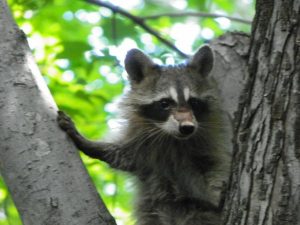
Raccoons are well known for their distinctive mask, as well as the black rings they have on their tail. They have very dark / black fur around their eyes, and have a pointy black nose. Another unique identifying feature is their hand-like front paws, which provides them the ability to be the nuisance that they are.
Habitat:
Raccoons are extremely adaptable creatures and have the ability to make their home virtually anywhere. They typically live in heavily wooded areas with nearby water and plenty of vegetation, and like to nest in hollow parts of trees. The raccoon is just as comfortable making it’s home in a suburban or urban environment. In these areas, they will typically make their home in attics, sewers, barns, and sheds. They tend to stay much closer to their den in these areas, traveling only 1 – 2 miles to search for food.
Raccoon Diet:
The raccoon is an omnivore and will feed on a variety of animals, insects, plants, and other available food. Their diet typically changes with the seasons as other food sources become available. Here are a few of the foods typically eaten by a raccoon:
Birds
Eggs
Fish
Shellfish
Frogs
Fruit
Insects
Nuts
Seeds
Snakes
Behavior:

Raccoon Invading Property
- Activity: The raccoon is nocturnal and is mostly active during the night. Seasonally, they are most active during spring, summer, and fall. During the winter, they will sleep in their den until spring approaches.
- Reproduction: Winter is typically when raccoons will mate. Female raccoons will give birth to 1-6 baby kits during April and May. Mothers are extremely protective of their young for up to a year, which is when mother and young will seperate.
- Social Interaction: After 12 – 14 months, a raccoon will finally become and adult and will be independent. Adult raccoons typically live in communities of 3 – 5 raccoons to help provided added protection against predators.
- Communication: Raccoons are quite skilled at communication and can utilize over 200 different sounds to convey their message. They also use 12 – 15 different calls as well.
- Skills: They have amazing dexterity and can perform skills that other animals cannot due to their hand-like paws. They can open doors, jars, bottles, and latches. Raccoons are also great climbers which allow them better access to food and shelter.
Diseases Carried by Raccoons:
- Leptospirosis: An infection that is caused by a bacteria named Leptospira. Early symptoms of this disease are typically headaches, fevers, and muscle pain. More severe symptoms such meningitis or bleeding from the lungs have been known to occur as well. In some cases, the infection can cause a person to turn a yellow color or even have kidney bleeding or failure, also known as Weil’s disease.
- Salmonella: A bacteria with multiple variations that can in some forms, be passed from animal to human. The animal to human variation typically causes gastrointestinal issues and results in Salmonella food poisoning.
- Roundworm (Baylisascaris Procyonis): Also called nematodes, the roundworm is very common in a wide variety of animals, and infections typically occur more frequently in tropical environments.
- Rabies: A viral disease that is commonly carried by the raccoon. Rabies causes inflammation of the brain with early symptoms showing as a fever or tingling in the location the host was exposed to. Rabies is very serious and can result in death. Symptoms typically appear within one to three months from the date the disease was contracted.
Other Raccoon Facts:
- Raccoons will rinse their food in water before eating it. If they do not have water nearby, they will rub their food in order to remove any particles or debris that may be on their food.
- A group of raccoons is considered a nursery.
 How To Identify a Raccoon Problem
 How To Identify a Raccoon Problem
Philadelphia and the surrounding areas are home to a large population of raccoons. Raccoons are one of Pennsylvania’s nocturnal critters and are rarely seen by residents. Raided trash cans, digging in the yard and damage to property are all signs of their destructive behavior.
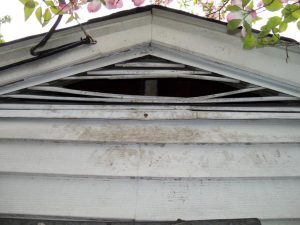
Raccoons enter our homes through uncapped chimneys, vents and any weak point they can find to take advantage of. In their attempts to break in raccoons can cause damage to roofs , siding and vents. Once inside raccoons destroy attic insulation and leave behind feces contaminated with diseases and parasites causing a health concern.
During the winter months raccoons are in search of shelter and a warm chimney or attic is a prime location to den. Raccoons will take advantage of the available space until they are humanely removed and all raccoon entry points are sealed. Raccoon exclusion is the practice of sealing all possible raccoon entry points on a structure and offers a long term solution to most wildlife problems.
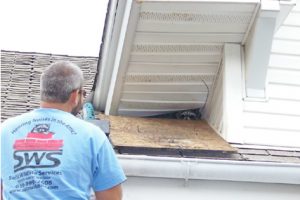 Raccoon removal can be dangerous at times especially if a litter of young are involved. In Pennsylvania , Raccoons give birth during the months of April and May. Raccoon often choose an attic or crawlspace as a safe location to raise their young. A littler of young raccoons can sound like birds chirping , as well as whining and screaming noises. Hearing these types of noises in an attic or chimney is a sign of a raccoon invasion should be followed up with contacting a professional raccoon removal provider.
Trapping and removal is usually needed to solve a raccoon problem, along with animal exclusion to prevent a recurring problem. Traps are usually set on roofs or as close to the entry point as possible to make a quick catch of the target animals and not every passing critter in the neighborhood. Once we have rid your home of the invading raccoons we install professional chimney caps and seal all raccoon entry points to prevent another raccoon invasion in the future. Raccoons are possible carriers of rabies and care should be taken not to come into physical contact with them . Seemingly sick or docile raccoons should be reported to animal control. Because of the dangers associated with raccoon removal it is best left to a professional to safely remove the raccoons.
How To Identify Raccoon Damage:
- Tipped Over Trash Cans
- Raided Bird Feeders
- Crop Damage or Eaten Crops
- Uncapped and Damaged Chimney
- Lawn or Sodding Destruction
- Damaged Shingles or Siding
- Raccoon Tracks on Property
Helpful Tips To Prevent a Raccoon Problem:
- Keep all trash in tight and well sealed containers
- Remove debris such as tree branches or grass and keep them away from your home
- Trim your tree branches away from your roof to prevent access
- Limit any feed left outdoors for other animals, including bird feeders or pet food
- Ensure your chimney cap is well-secured to prevent a raccoon invasion
- Enjoy all wildlife from a distance and never approach a wild animal in Pennsylvania
Methods and Products Used for Raccoon Removal & Control:
- Hire a Professional Raccoon Trapper
- Animal Traps
- Raccoon Repellents
- Electronic Repellents
- Fencing
How Much Does Raccoon Removal Cost?
If raccoons have invaded your attic or home, the total cost to remove will vary depending on multiple variables. The amount of repairs needed, the amount of raccoons inside of your property, the amount of trips required to provide service, animal cleanup requirements, as well as many other factors come into play when determining the cost to remove your raccoon and prevent further infestations. The primary factors determining the cost of our raccoon removal services are as follows:
Factors That Determine The Cost of Raccoon Removal:
- Amount of Raccoons: The amount of raccoons required to be removed from your location is a big factor into the cost of removal. Raccoons will commonly invade a property and make it their den in the winter. During this time it is common for female raccoons to give birth to her young. If multiple raccoons or their young are required to be removed, this will increase the cost of removal.
- Amount of Damage: If you property was damaged during the process of being invaded by a raccoon.
- Animal Exclusion Requirements: If you want to permanently rid yourself of animal infestations, animal exclusion services are always recommended. We will identify the areas of your home that a raccoon could use to invade your property, and then seal them to prevent further infestations.
How Can I Get Rid of my Raccoon Infestation?
The most effective method to rid yourself of a Raccoon infestation is to contact a professional trapper like Seitz Wildlife Services to remove your pest. It is never a good idea to attempt trapping an animal yourself, and attempting to do so can result in injury or even contracting a serious disease like those mentioned above. Animal repellents can be quite ineffective, although they claim to help you rid yourself of your animal infestation. Electronic repellents do not provide a permanent result and can be quite ineffective in the long run.
If you are experiencing constant issues with Raccoons, there simply is no better solution then to consult with and hire a professional wildlife removal service like Seitz Wildlife. Our experts will not only remove your animal, but can also provide professional insight into how your property is being infiltrated by your animal, and provide animal exclusion services that prevent further infestations into your home or business.
Contact Seitz Wildlife Services Today to receive a free quote to remove your nuisance!