Bat Removal Services in Norwood, PA
Seitz Wildlife Services is a fully licensed, family-owned, and operated business providing bat removal services and wildlife control in Norwood, Pa, and surrounding neighborhoods. We are experts at handling a variety of situations involving bats, including bats in an attic, bats in a chimney, bats trapped behind shutters, or bats flying around your home or office. We also provide services such as bat guano or bat dropping removal, attic cleanouts, insulation replacement, bat house installation, as well as bat proofing, also known as bat exclusion. If you are experiencing a bat intrusion in Pennsylvania, we invite you to Contact Seitz Wildlife Services Today for a free phone consultation. We are the bat experts!
What makes Bats dangerous?
Live Bat Removal
A significant number of bats live in Pennsylvania. Occasionally, a single bat could manage to go inside your house or place of business and get trapped. Trust the professionals at Seitz Wildlife Service to perform our live bat removal services in this situation. To try and catch a bat oneself is never a good idea. Physical contact with a bat should be avoided as they could potentially carry the rabies virus. If there was physical contact, it might be necessary to capture the bat alive and have it transported to the county health department to be screened for rabies. If necessary, we will confine the bat in a box for testing.
Professional Bat Exclusion
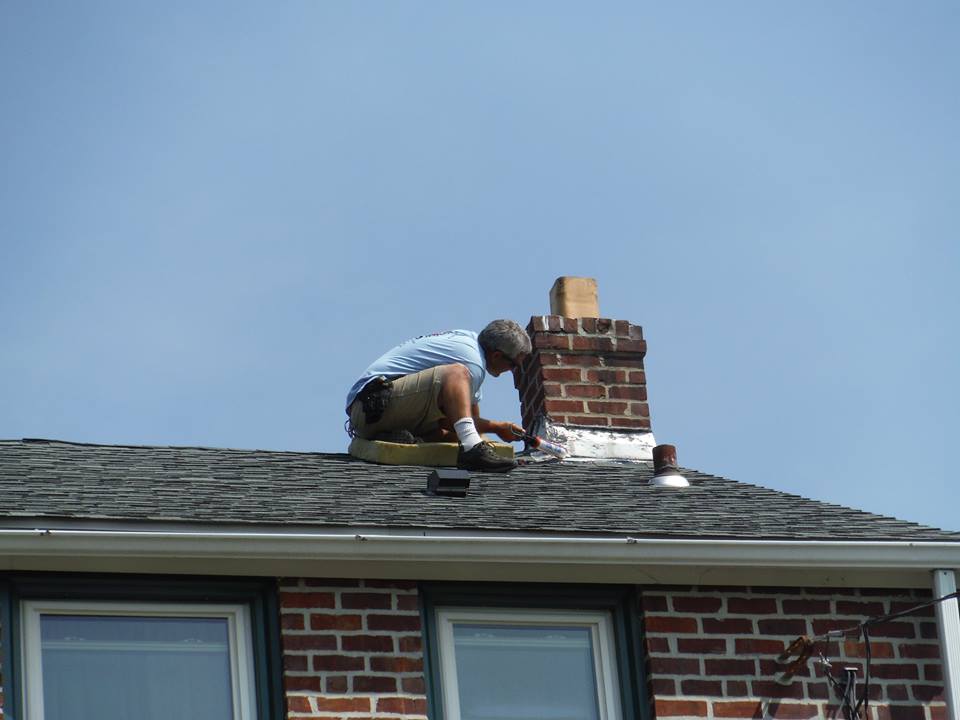
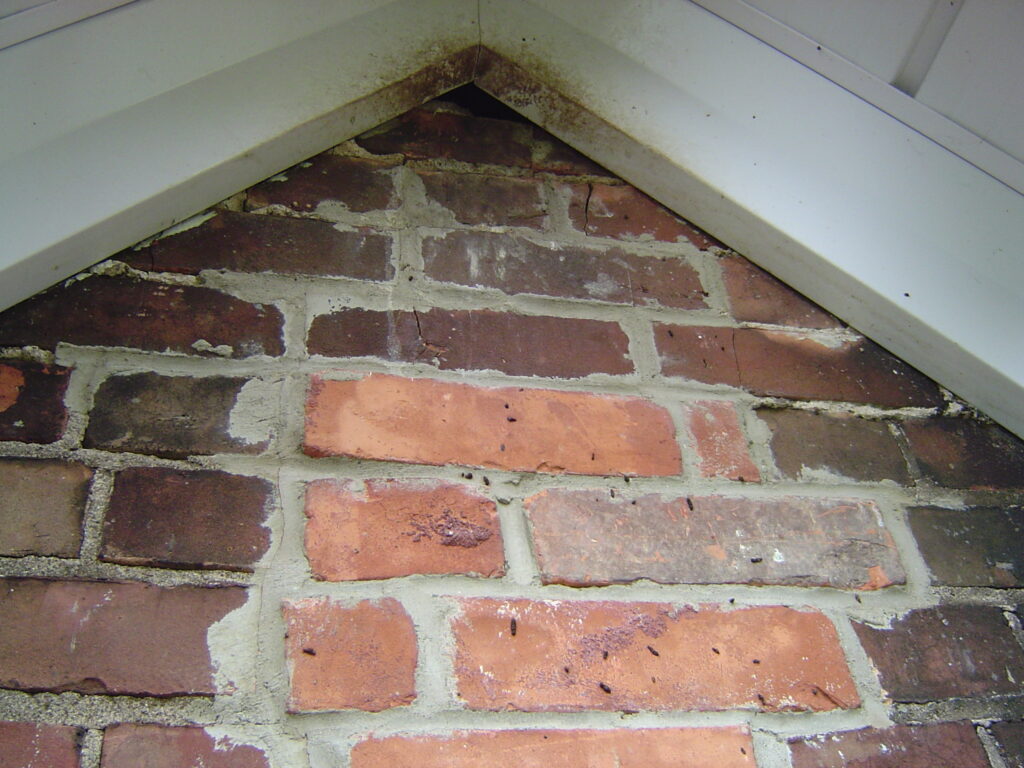
In order to permanently stop subsequent invasions, the procedure of bat exclusion involves evaluating and sealing a room, house, or other structure that has been entered by bats. Bats are exceedingly invasive and can squeeze through incredibly small cracks and holes. Finding every possible entry point for a bat onto your property can be very challenging. Your home will be expertly inspected and properly sealed to stop subsequent bat invasions if you hire a professional bat exclusion service.
If you are experiencing a bat infestation in residential or commercial property we have the skills needed to evict the bats and prevent them from returning. In Pennsylvania, bats are very beneficial to our environment. Bats help to control the insect population and are also protected by law. We perform humane bat exclusion and do not condone the use of poisons or harmful chemicals. By use of a one-way door, we allow the invading bats to exit a structure but not return, leaving your home 100% bat-free! Bat exclusion is a very difficult and dangerous process that typically involves high ladder work and construction skills to diagnose and solve the problem. Our bat exclusion service is completed with only the highest quality materials that are designed to permanently prevent bats from infiltrating your property for years to come. We offer a long-term guarantee against future infestations. We remove the bats out and keep them out!.
Bat Attic Clean Out
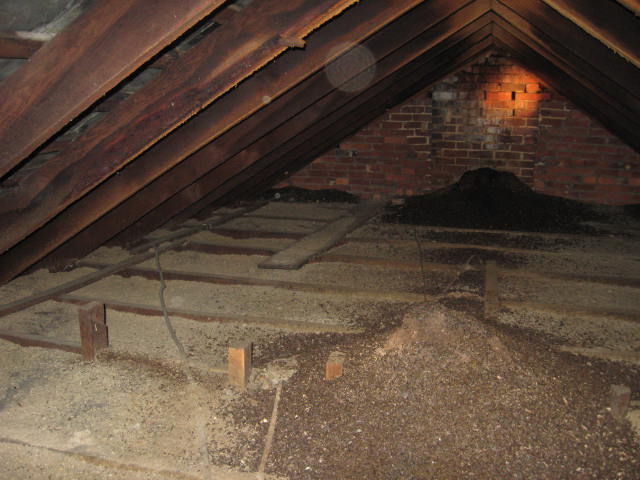
Frequently, a bat infestation will leave your attic filthy, unsanitary, and in need of an expert attic clean up. Bat guano, commonly referred to as bat droppings, can contaminate the air in your home and make you sick by breathing the contaminated air. The air quality and residents’ health will be considerably improved by a professional attic clean out, which will also remove all bat waste and other trash.
Your attic will be thoroughly inspected by our specialists, who will subsequently provide a complete analysis of their findings. It is typical for your attic to require replacement of specific components, such as wood paneling, flooring, and attic insulation. We will determine which portions of your attic need to be cleaned up or replaced before carrying out our attic clean out service with only the best supplies.
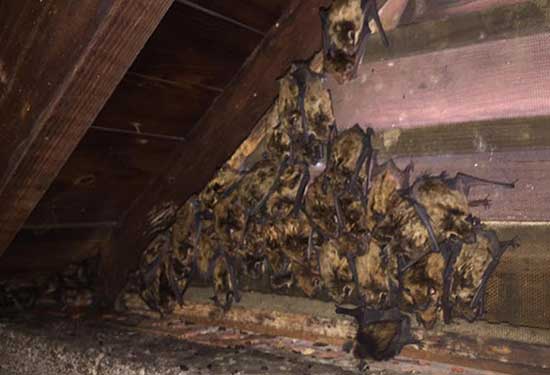
What Are The Signs of a Bat Infestation?
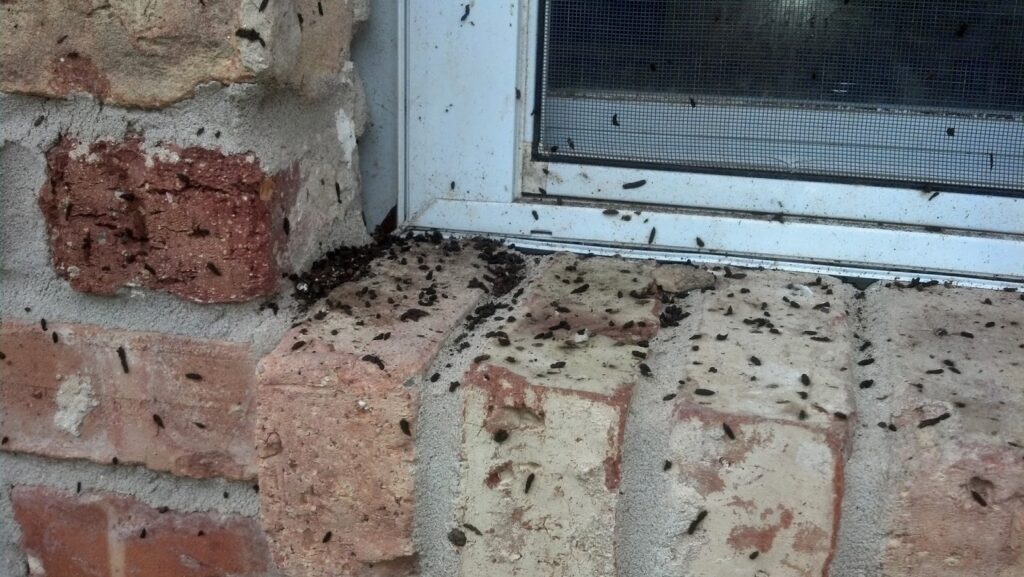
The most obvious sign of a bat infestation is witnessing bats flying out of a home or building at dusk. Bats are creatures of habit and will return to the same roosting location each night. Over time bat droppings can accumulate in attics or can sometimes be noticed along walkways and on window sills. Other common complaints associated with a bat problem are squeaking noises in an attic, chimney, or wall, as well as bats frequently appearing in living quarters. Bats are nocturnal with activity being mostly at dusk and into the evening hours, this is the time of day most bat activity is noti
What is the biggest problem with a bat infestation?
Bats are one of Pennsylvania’s most beneficial creatures, but once they take up residence inside our homes it can become a serious problem. Bats eat their own body weight in insects every night causing their feces or guano to build up quickly over time. Bats guano looks like black, sticky rice and can contaminate attic insulation or other materials. Bat guano is known to produce mold spores, which if inhaled, can cause lung infections or a disease called histoplasmosis. Bat guano will quickly build up on walkways, window sills, or siding leaving behind stains and unpleasant odors.
Another problem involved with a bat infestation is actually having bats flying through your home or office on a regular basis. This can be unnerving not to mention a potential health risk. Once a colony of bats has found a suitable roosting site it can be difficult to deter them as bat repellent has little to no effect at all. Bat exclusion is the only long-term solution to a bat infestation and will put an end to even the worst bat problems.
When is the best time to perform a bat exclusion?
Bats are a protected species in Pennsylvania and it is important to time a bat exclusion correctly to ensure the survival of the bat colony. By law, bat exclusions can not be performed between June 1st and August 1st. This is the time maternity colonies of bats are raising their young and any disturbance could cause the mortality of this year’s young bats. Bat exclusions can be complete in the spring before the young bats are born, or after August 1st when the young bats are able to leave the roost with the rest of the colony. Hibernating bats colonies throughout the North East are experiencing moralities from a disease called White Nose Syndrome, any further harm to this species should be avoided.