Bat Removal Services in Wyomissing, PA
Seitz Wildlife Services is a licensed, family-run company offering professional bat removal and wildlife control throughout Wyomissing, PA, and nearby communities. Our team has extensive experience managing all types of bat-related situations, whether it’s bats in the attic, inside a chimney, stuck behind shutters, or flying inside your home or workplace. We also handle bat guano cleanup, attic restoration and insulation replacement, bat house installation, and comprehensive bat-proofing (bat exclusion) to help prevent future issues. If you are experiencing a bat intrusion in Pennsylvania, we invite you to Contact Seitz Wildlife Services Today for a free phone consultation. We are the bat experts!
What makes Bats dangerous?
Live Bat Removal
Pennsylvania hosts a thriving bat population, and from time to time, one may accidentally enter your home or workplace and become stuck. When this happens, it’s best to call the professionals at Seitz Wildlife Services for safe, humane bat removal. Attempting to catch a bat on your own is never recommended, as bats can carry rabies and direct contact should be avoided. If contact does occur, it may be necessary to safely capture the bat so it can be tested for rabies by the county health department. When required, we can humanely contain the bat in a secure box and arrange for proper testing.
Professional Bat Exclusion
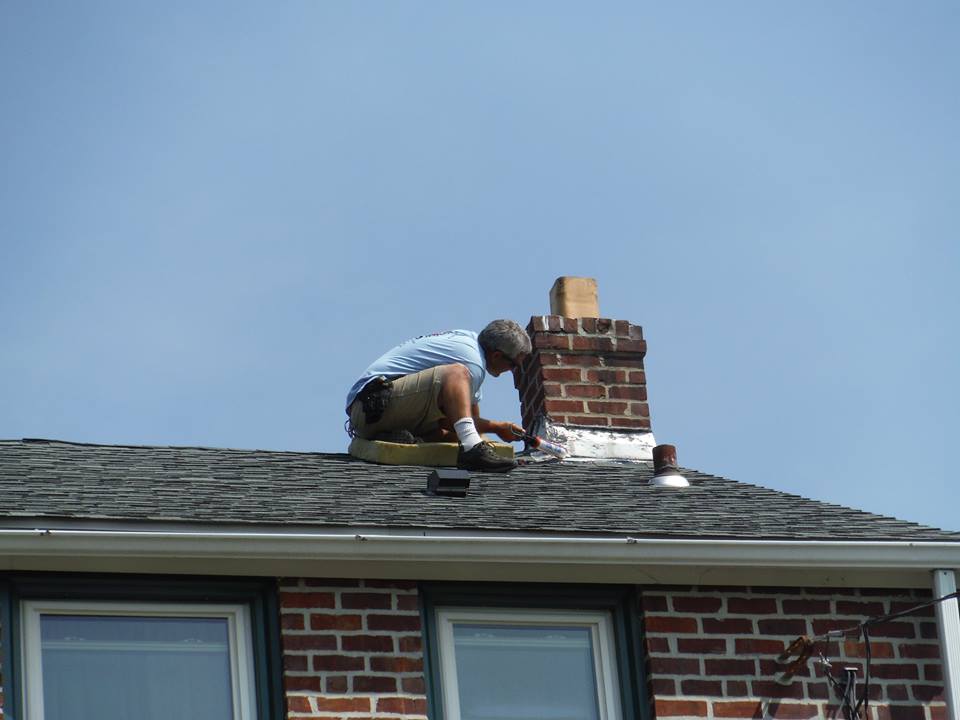
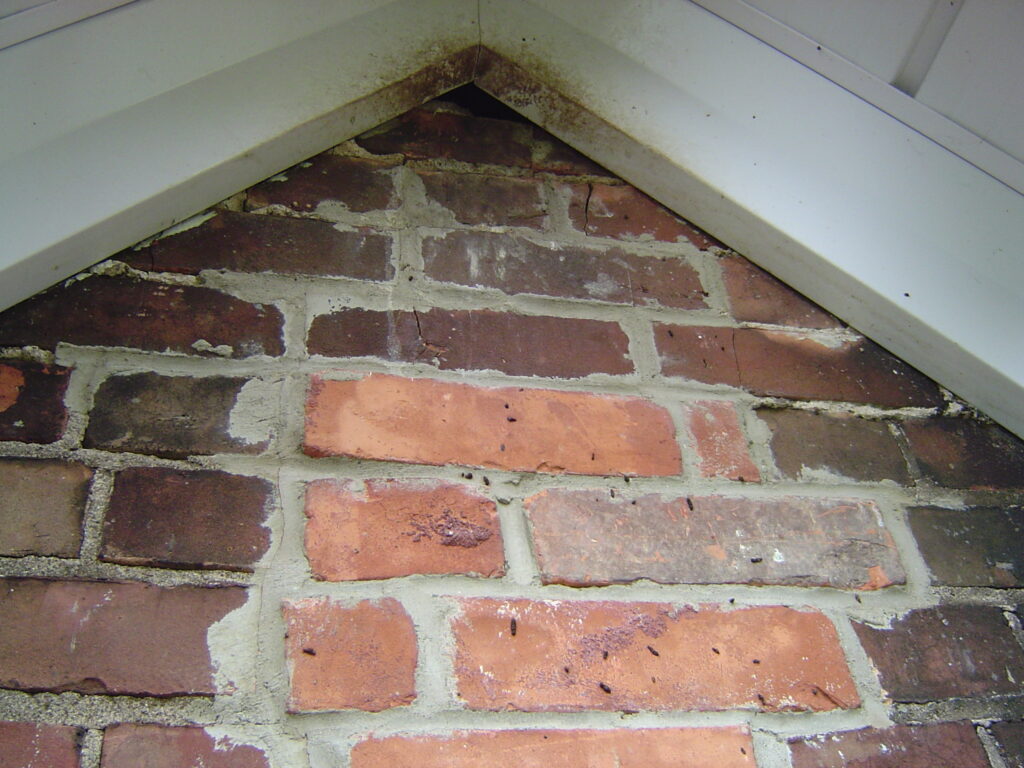
Bat exclusion involves carefully inspecting and sealing a room, home, or building that bats have entered, with the goal of stopping future intrusions for good. Because bats are highly resourceful and can squeeze through incredibly small openings, finding every possible entry point can be a real challenge. A trained bat exclusion specialist has the expertise to identify these hidden access points and properly secure them. By hiring a professional service, you can be confident your property will be thoroughly assessed and effectively sealed to keep bats from returning.
Whether bats have taken up residence in your home or commercial building, we have the expertise to remove them safely and ensure they don’t return. In Pennsylvania, bats are an important part of the ecosystem, helping control insect populations, and they are also a protected species. That’s why we use only humane bat exclusion methods—never poisons or harmful chemicals. Our process involves installing a one-way door that lets bats leave the structure but prevents them from re-entering, leaving your property completely bat-free. Because bat exclusion often requires working at heights and using specialized construction skills to locate and seal every entry point, it’s a task best left to professionals. We use only top-quality materials designed to provide long-lasting protection, and our work comes with a strong guarantee against future infestations. We get the bats out—and make sure they stay out.
Bat Attic Clean Out
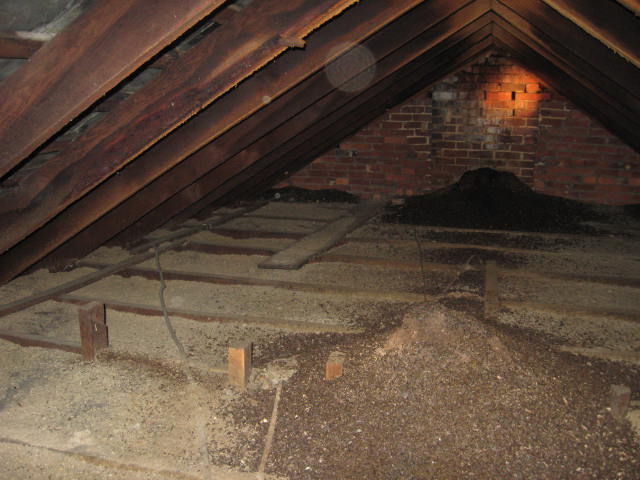
After a bat infestation, it’s common for an attic to be left in poor condition—dirty, unsafe, and in need of a professional cleaning. Bat guano, or droppings, can contaminate the air inside your home, potentially leading to illness when inhaled. A professional attic cleanout not only removes all droppings and debris left behind by bats but also greatly improves indoor air quality and helps protect the health of everyone in the home.
Our team begins with a thorough inspection of your attic, documenting our findings in detail. In many cases, certain components—such as insulation, wood paneling, or flooring—may need to be replaced due to contamination. We’ll identify every affected area and carry out the cleaning and restoration process using only top-grade materials, ensuring your attic is safe, clean, and restored to proper condition.
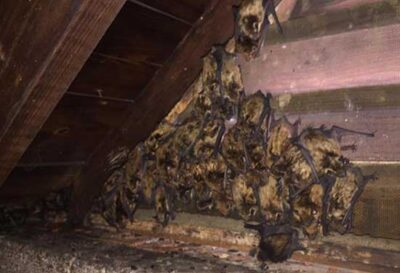
What Are The Signs of a Bat Infestation?
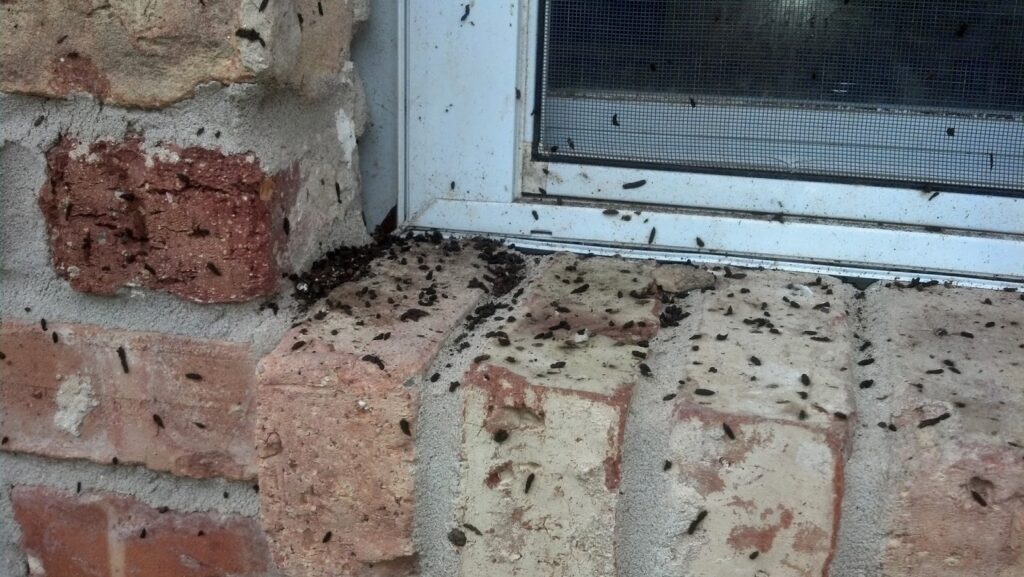
One of the clearest indicators of a bat infestation is seeing bats exit a home or building around dusk. Because bats are creatures of habit, they tend to return to the same roosting spot night after night. Over time, their droppings—known as guano—can build up in attics and may also be visible on walkways, window sills, or exterior walls. Homeowners often report other signs as well, such as high-pitched squeaking or rustling sounds coming from the attic, chimney, or inside walls, and occasional sightings of bats inside living areas. Since bats are nocturnal, their activity is most noticeable during dusk and nighttime hours.
What is the biggest problem with a bat infestation?
Bats play an important role in Pennsylvania’s ecosystem, but when they settle inside homes or buildings, they can quickly become a serious issue. Consuming their body weight in insects each night, bats produce large amounts of droppings—known as guano—that can accumulate rapidly. Bat guano, which resembles small black grains of rice, can contaminate attic insulation and other building materials. It is also known to harbor mold spores that, if inhaled, may lead to lung infections or histoplasmosis. Outdoors, guano can collect on walkways, window sills, and siding, creating stains and unpleasant odors.
Another challenge with a bat infestation is the possibility of bats flying inside living or work spaces, which can be alarming as well as a health concern. Once a bat colony establishes a roosting site, it can be very difficult to drive them away—bat repellents are largely ineffective. The most reliable and lasting solution is professional bat exclusion, which effectively removes the colony and prevents future infestations.
When is the best time to perform a bat exclusion?
In Pennsylvania, bats are a protected species, and the timing of a bat exclusion is critical to preserving the health of the colony. State regulations prohibit exclusions between June 1st and August 1st, as this is when maternity colonies are raising their young. Disturbing them during this period can result in the death of the year’s newborn bats. Exclusions should be scheduled either in the spring, before the pups are born, or after August 1st, once the young are capable of flying with the rest of the colony. Across the Northeast, hibernating bat populations have already suffered significant losses due to White Nose Syndrome, making it even more important to avoid causing any additional harm to these vital creatures.